Real farms · Real records
Invest in the farms that feed the UAE.
Buy fractional units in greenhouses, cattle, goats and poultry. Every cost, harvest and payout is recorded
Clear ownership
Each listing states whether units are direct ownership, an interest in an owning company, or a right to proceeds.
Every cost visible
Budgets, actual expenses, revenue and reserves are tracked separately and allocated by units.
Honest projections
Returns show low, base and high scenarios for the stated term — never guaranteed, never annualised by surprise.
Open for funding
View all 5 →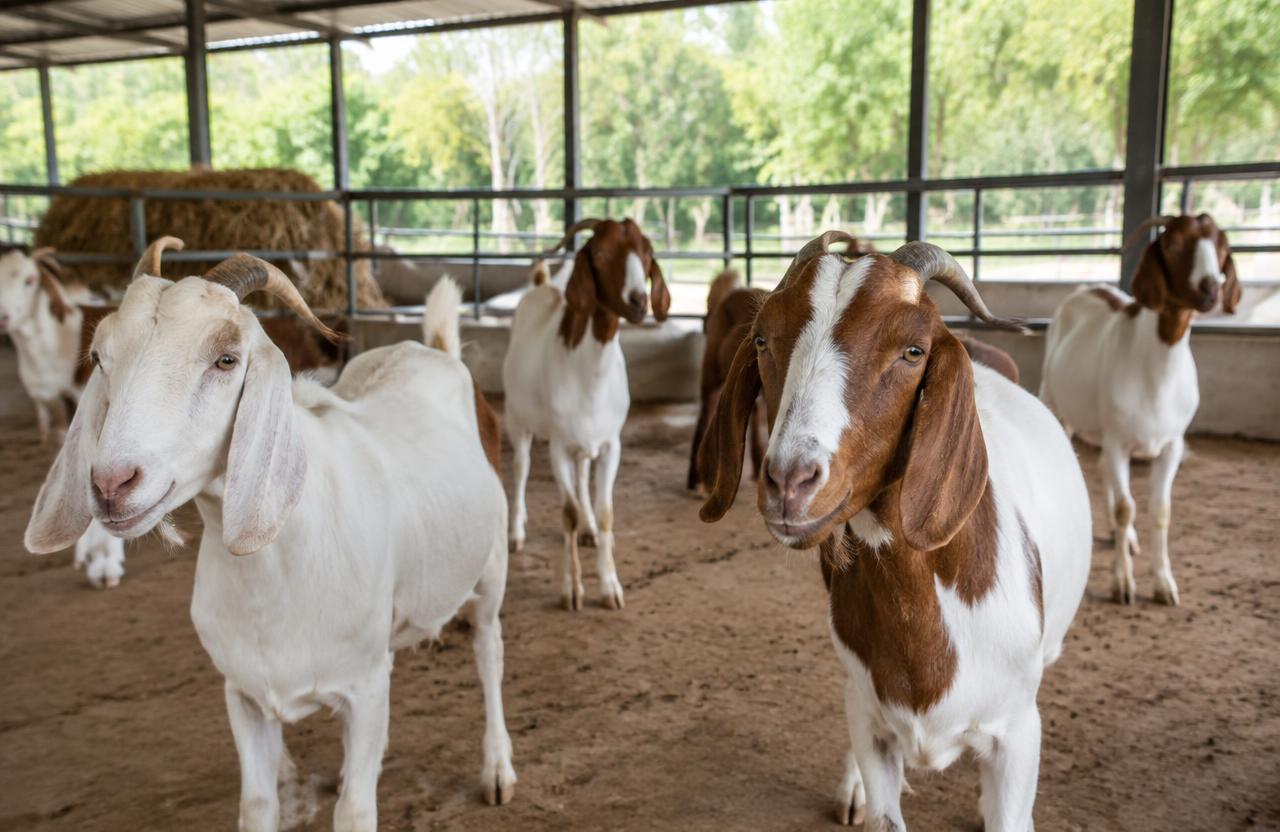
Hatta Goat Breeding & Dairy
Hatta, Dubai · MyFarmStake Operations LLC
- Unit price
- AED 500.00
- Minimum
- AED 1,000.00
- Units available
- 140
- Term
- 24 months
Main risks: Disease and mortality in kids, Milk price changes.
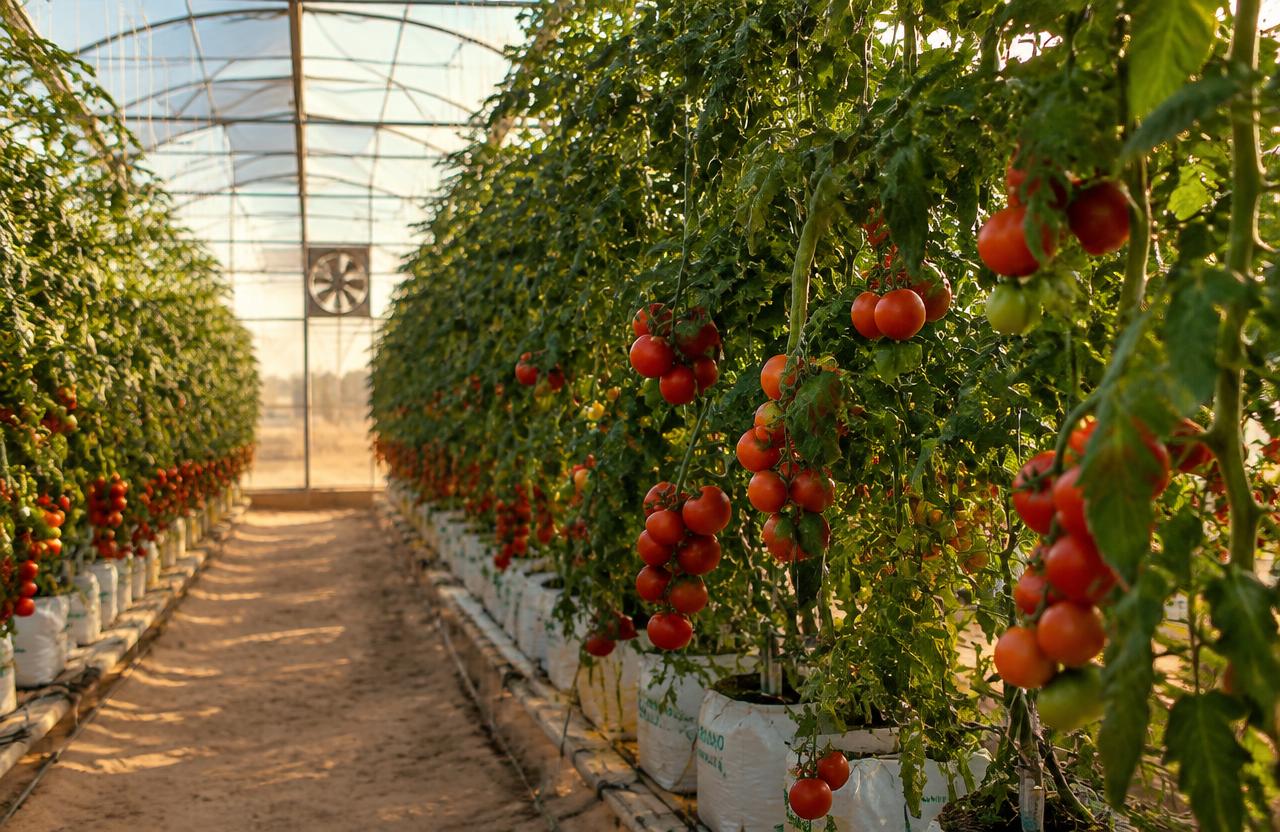
Al Ain Tomato Greenhouse
Al Ain, Abu Dhabi · MyFarmStake Operations LLC
- Unit price
- AED 250.00
- Minimum
- AED 1,000.00
- Units available
- 760
- Term
- 12 months
Main risks: Crop disease or pest outbreaks, Lower market prices for tomatoes.
UAE food security
Your capital, working for the nation's food future.
The UAE imports the large majority of its food. The National Food Security Strategy 2051 sets out to change that by expanding local production, adopting agri-technology and building resilient supply chains. MyFarmStake channels private investment into exactly those assets.
MyFarmStake is an independent platform and is not affiliated with or endorsed by any government programme.
More local production
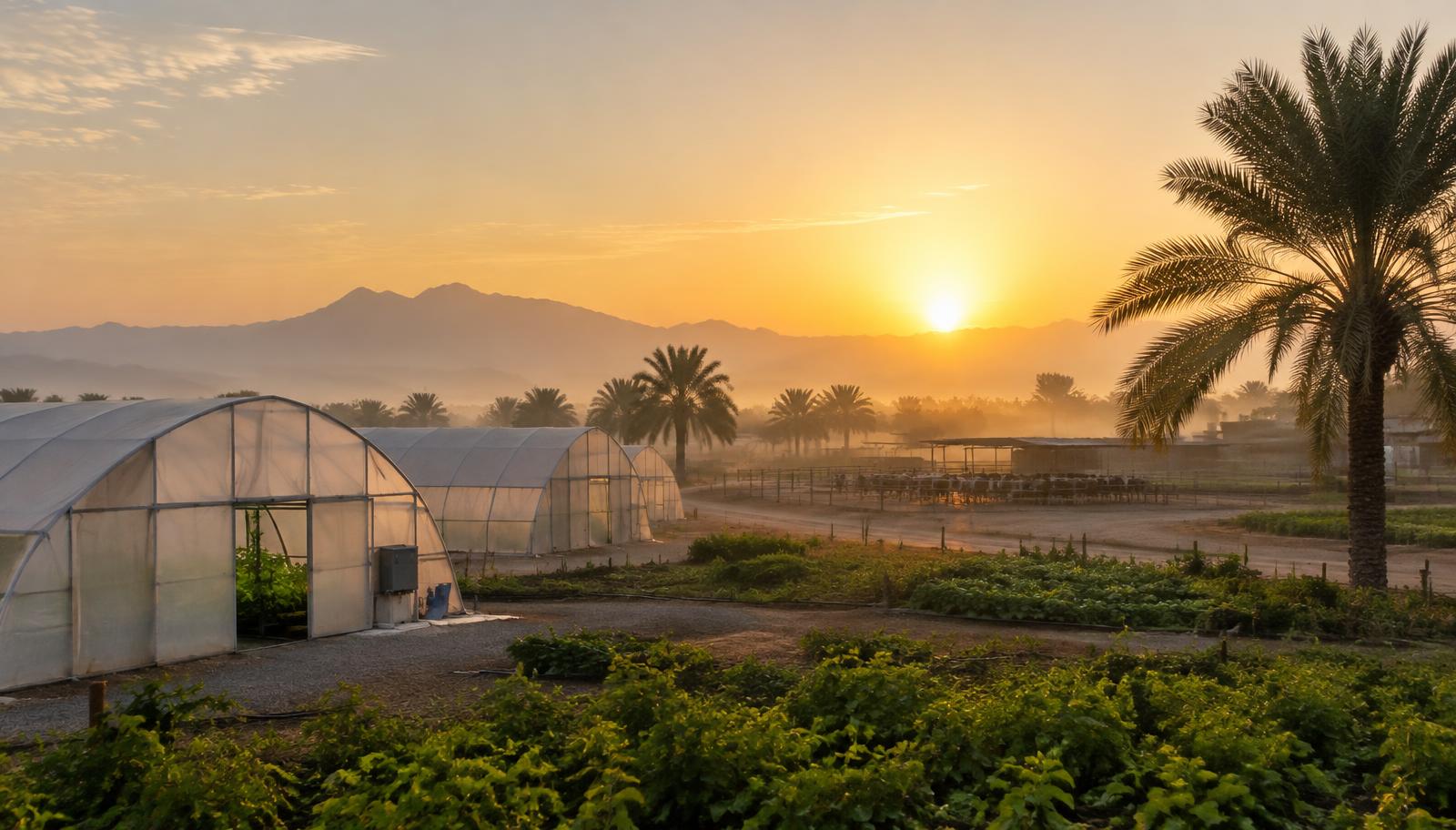
Greenhouses grow vegetables year-round close to UAE shoppers.
Water-efficient farming
Hydroponic and drip systems use a fraction of open-field water.
Shorter supply chains
Local eggs, milk and meat are less exposed to shipping disruption.
Agri-tech adoption
Funding goes to climate control, automated feeding and monitoring.
Idle farmland
Some of the UAE's farmland isn't farming.
Greenhouses sit with bare benches between cycles. Pens stand empty. Plots are held without the cash to buy seedlings, feed or the repairs that would make them work again. The land, the water allocation and the buildings are already there — what's missing is the money to start the next cycle.
That is the gap MyFarmStake is built for. Investors buy units in a restart: the pool pays for inputs and repairs, the operator keeps running the farm, and everyone shares what the harvest actually returns.
Assets already in place
A shaded house, tank or pen costs far less to restart than to build.
Capital for the restart
Units fund repairs, seedlings, feed and the first cycle's labour.
Owners stay on the land
Farming families keep the farm and its income; investors fund the cycle.
More food, no new land
Output rises on ground already cleared and allocated.
Idle land is idle for reasons. Water rights, labour, market access and repair costs can delay a restart, and some farms never come back. MyFarmStake does not buy land and never promises that an idle farm will be made productive.
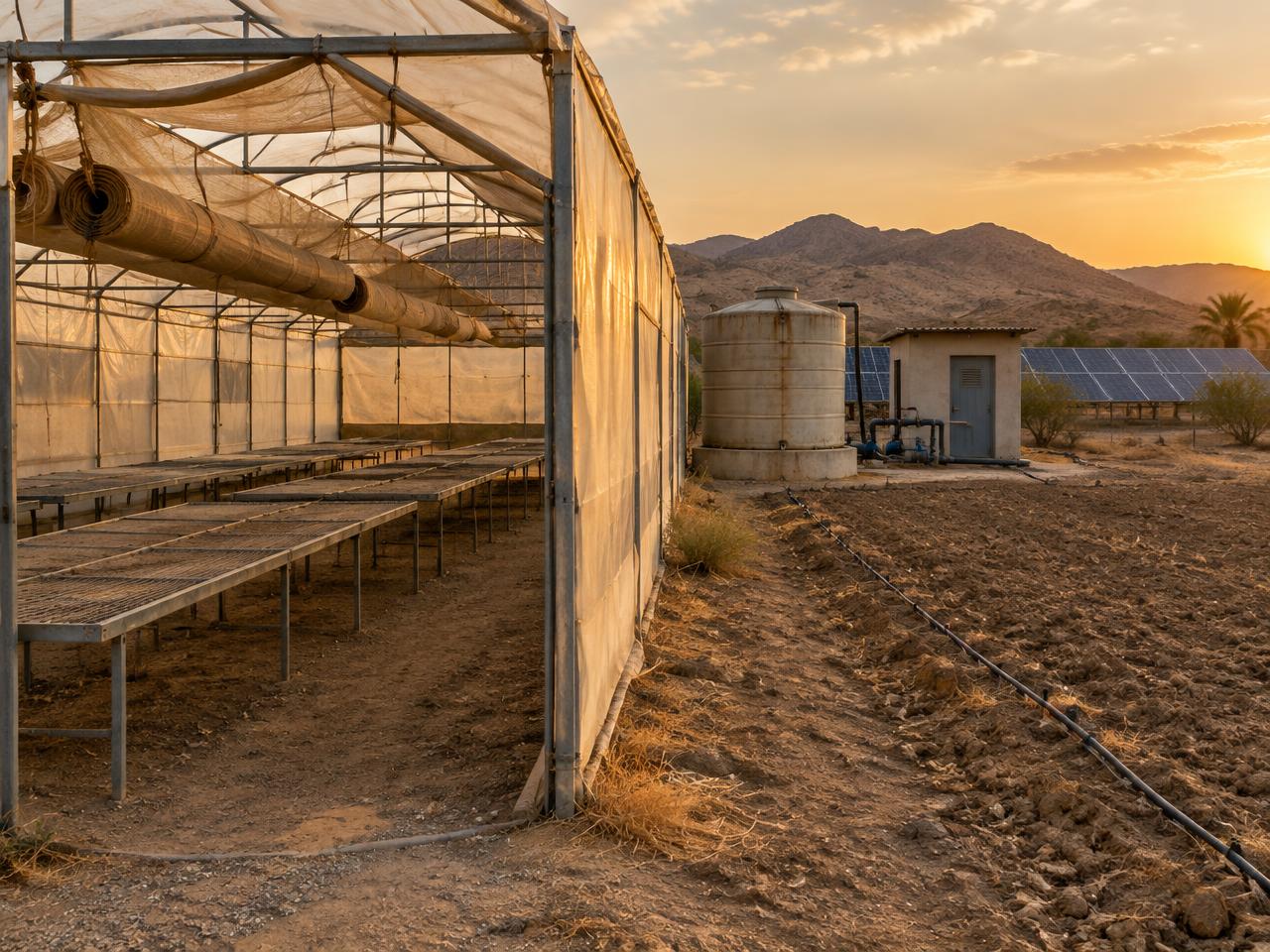
What a restart cycle funds
- Seedlings, substrate and growing media
- Feed, bedding and veterinary cover
- Pump, irrigation and shade repairs
- Cooling, lighting and monitoring
- Labour through the first harvest
Every listing publishes its own budget and actual spend, so you can see what a restart really costs.
Asset diversification
Don't put every seed in one field.
Farm assets behave differently. A greenhouse earns from weekly crop sales, sheep pay out once at sale, and poultry and goats earn from eggs, milk and offspring. Spreading units across categories, locations and terms can reduce the impact of any single disease outbreak, price drop or delay.
- Different revenue cycles: recurring sales vs. end-of-cycle proceeds
- Different risks: crop pests, animal health, feed and energy prices
- Different terms: from 2-month broiler cycles to 24-month dairy herds
- Low minimums make spreading across several farms practical
Diversification does not remove risk or guarantee a return. Farm investments are illiquid and you can lose money.
Recurring crop sales
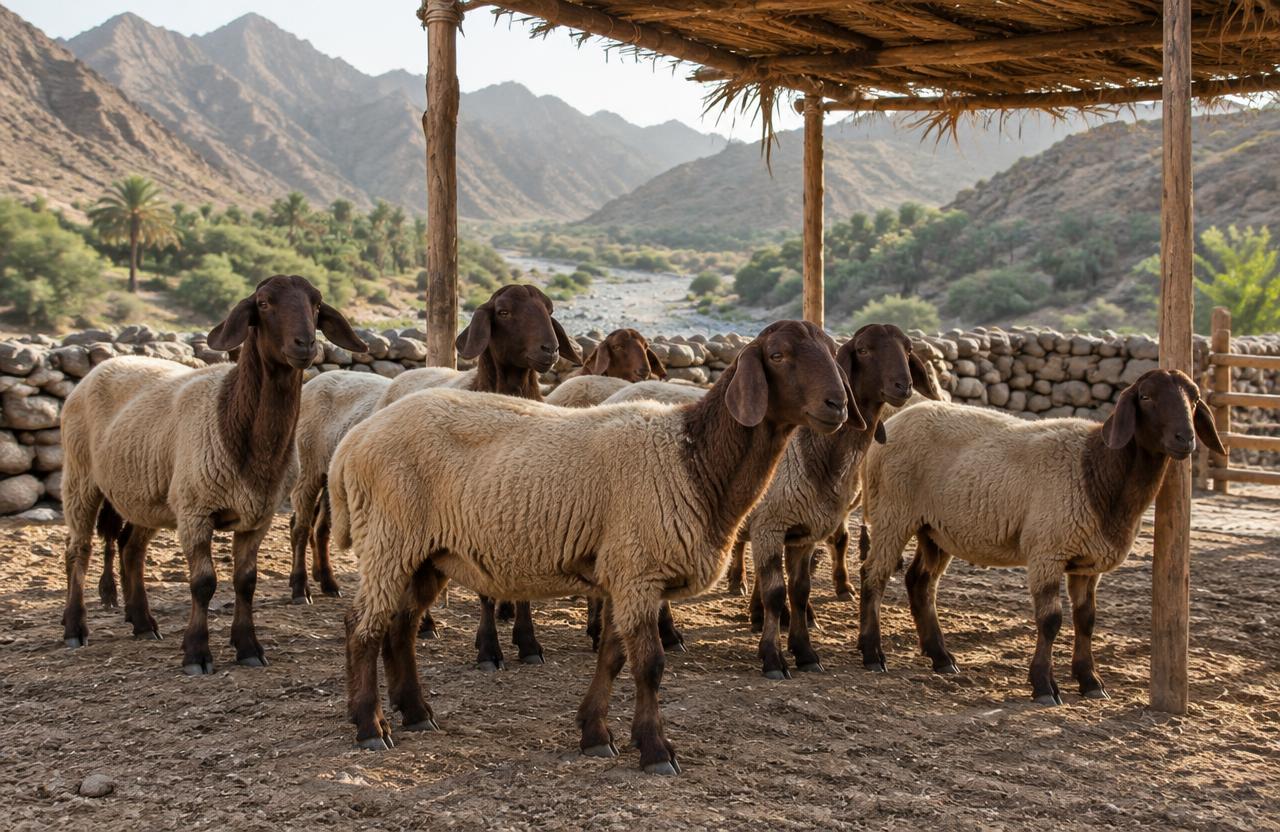
Proceeds at end of growth cycle
Milk, kids and livestock sales
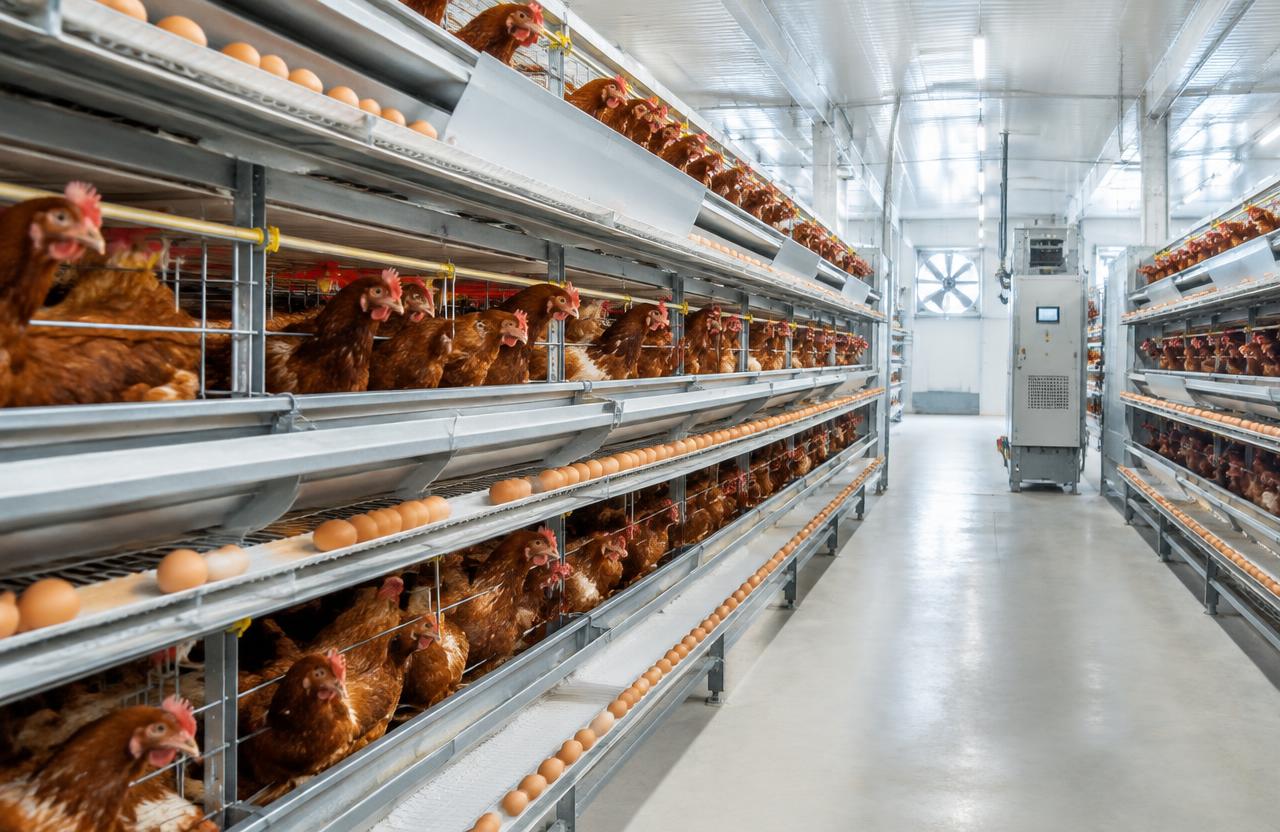
Egg or broiler sales
How it works
- 1
Browse
Compare farms, costs, risks and projected scenarios.
- 2
Buy units
Choose a whole number of units and pay from your wallet.
- 3
Track
Follow costs, harvests, animal health and updates.
- 4
Receive
Get distributions from collected cash, split into capital and profit.
Start building a diversified farm portfolio.
Create an account to track holdings, follow farm updates and download your records.